Skill-eLabs Learning App
Making vocational education accessible for Indian school students
Project Info
12 Weeks
Undergraduate Thesis
Srishti Institute of Art, Design, and Technology
Focus
UX Research
Instructional Design
Prototyping
Partners
Ministry of Education, Government of India
AMMACHI Labs, Amrita University
Context
Skill-eLabs is a thesis project conducted in collaboration with the Indian Ministry of Education and AMMACHI Labs to support vocational education for Central Board of Secondary Education (CBSE) students in standards 9–12 (ages 12-18).
Problem
Vocational learning in India is outdated and under-supported. Students struggle with:
Low Engagement
Limited teacher time
(1-2 hr/week)
Poor concept retention
No structured way to revise or ask doubts
This leads to a 65% dropout rate and a major skill gap, leaving only 2% of India’s workforce skill trained.
Goal
The goal of this project was to create a user-friendly mobile application that would make vocational education accessible and relevant for CBSE students, supporting the Indian Ministry of Education’s aim to vocationally train 50% of students by 2030.
Solution
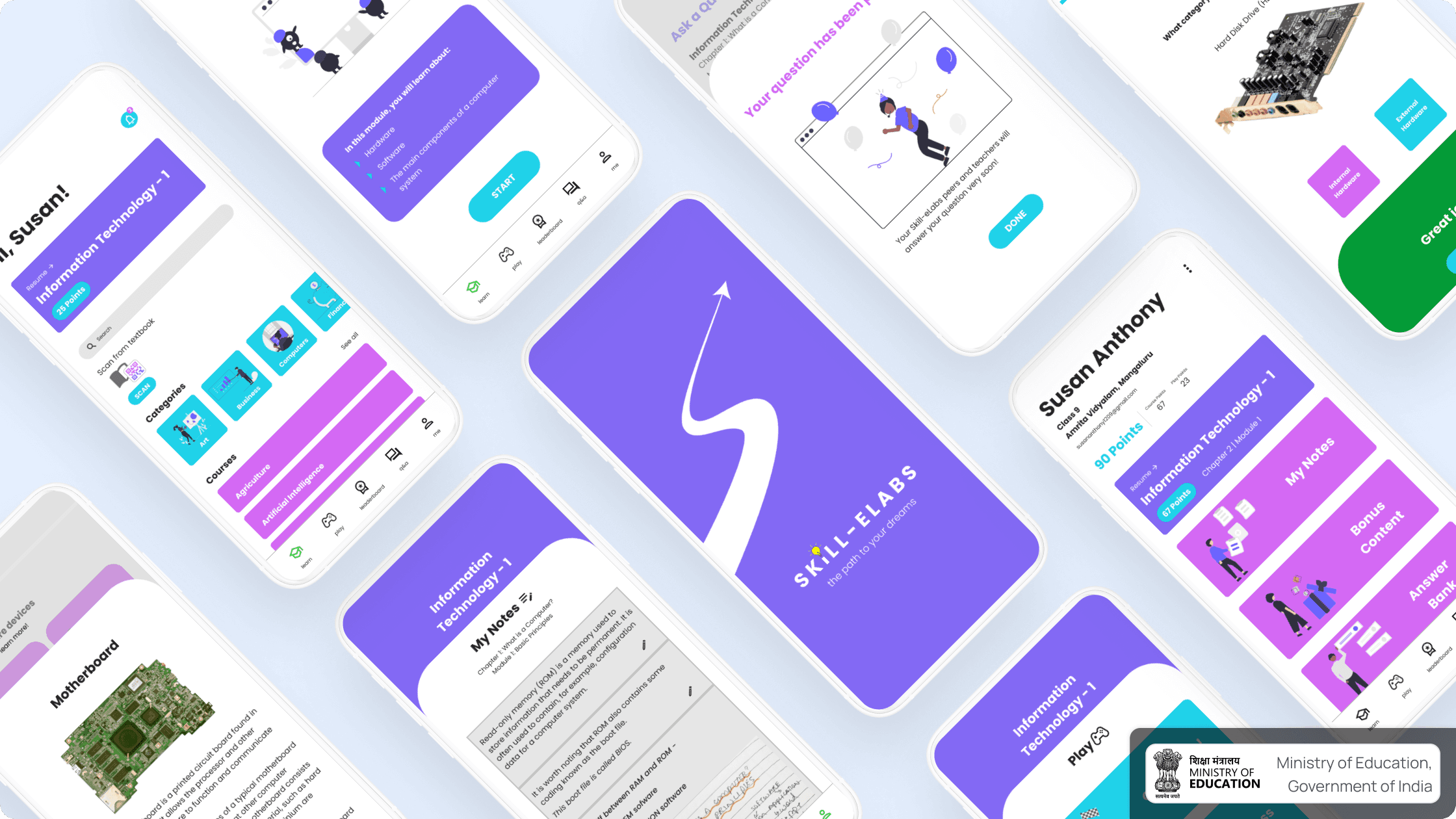
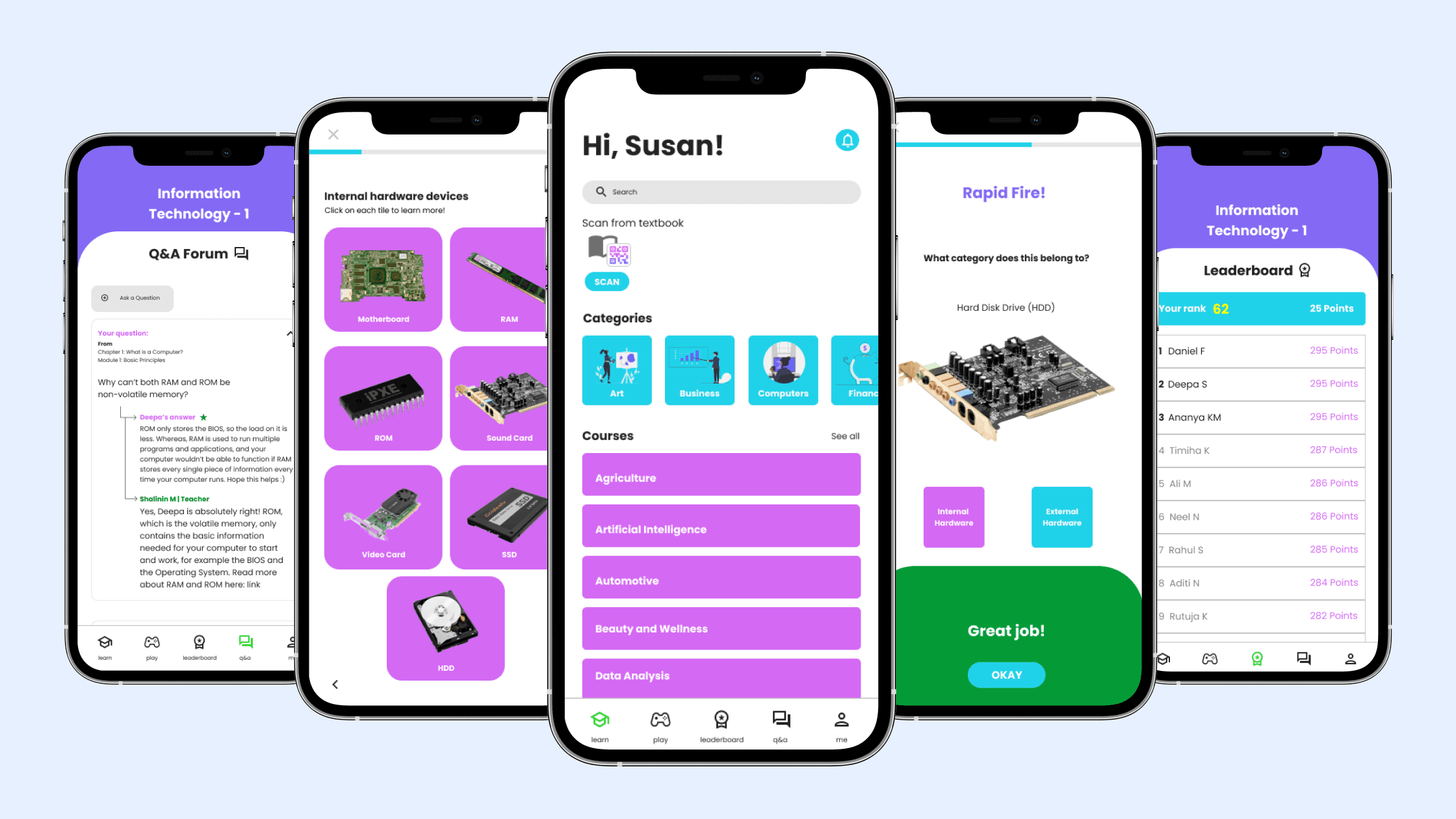
Skill-eLabs is a mobile-first learning experience with:

Bite-sized, easy-to-digest modules
for better concept retention

Quizzes, points, and leaderboards
for engagement and motivation

Teacher supervised peer Q&A Forum
for remote doubt solving and increased teacher time

Personal notes
for better concept retention and revision
A system designed to make skill education effective, fun, and memorable.
Research
Secondary research
I explored India's vocational education landscape, the National Education Policy 2020, EdTech trends, and instructional design best practices to design modules for the Skill-eLabs app.
Primary research
I conducted interviews with experts in neuroscience, education, IT, AR/VR, and haptics, as well as surveys with 400+ CBSE students and teachers, to understand learning and teaching methods.
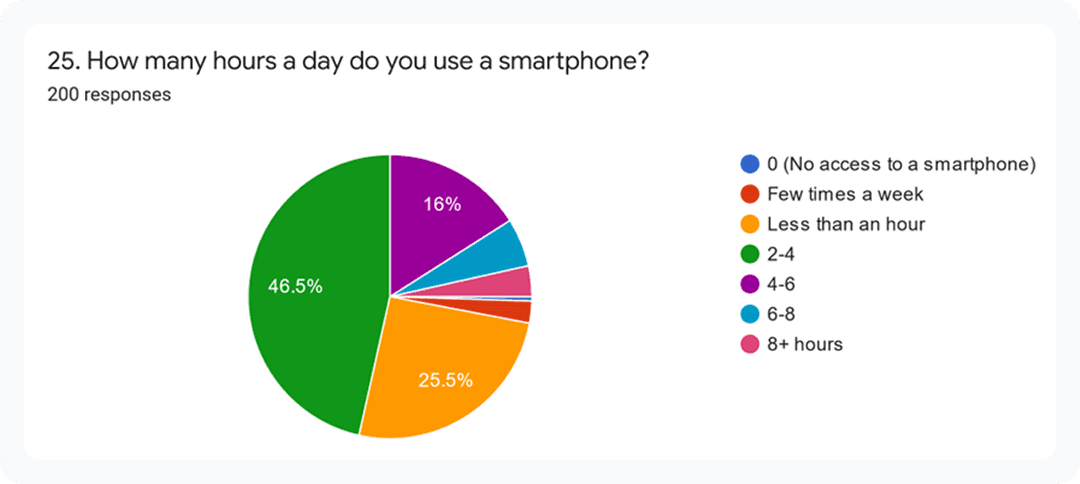
A survey question to students and their responses
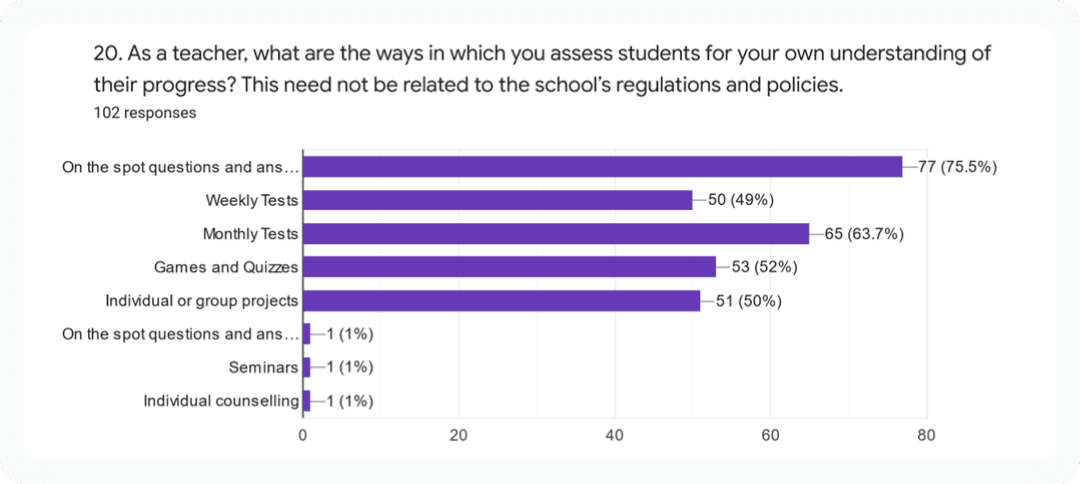
A survey question to teachers and their responses
Students said:
58%
use online forums to clear doubts and engage in informal learning.
64%
enjoy educational games (Kahoot, Duolingo) because they can display earned awards.
2-4 hrs
of smartphone access students get per day.
Teachers said:
1-2 hrs
spent teaching vocational subjects per week
77%
use on-the-spot quizzes to assess their students.
72%
believe that rewarding learners leads to better performance.
Persona
A user persona was developed after synthesis of the survey insights to reflect the demography, aspirations, and struggles of the students surveyed. This user persona informed the basis of ideation.
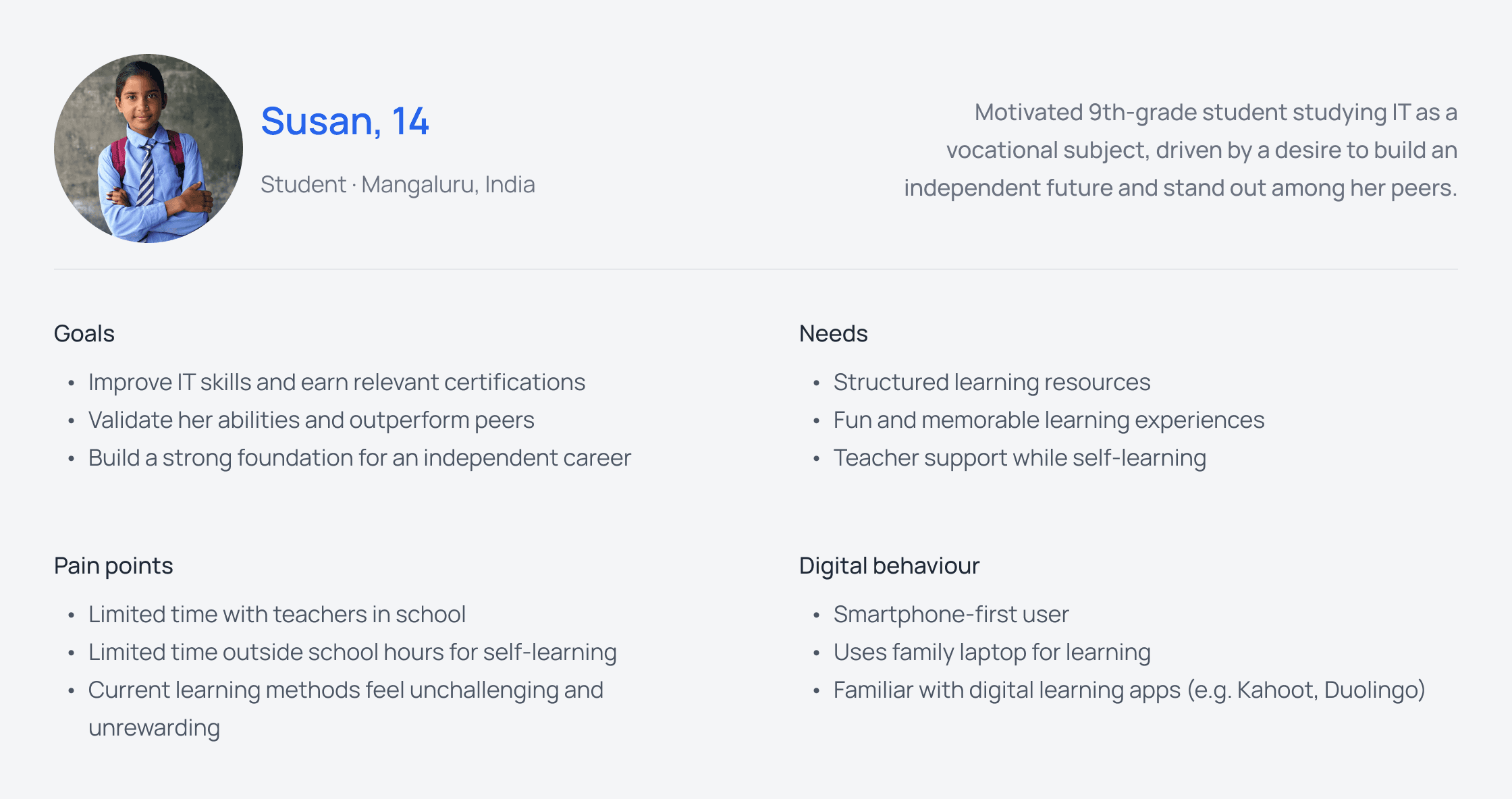
Susan needs visible progress and recognition in short learning sessions to stay motivated and confident.
Key Insights
Micro-learning improves retention
Repetition = stronger recall
Friendly competition is motivating
Publicly displayed rewards are encouraging
These insights shaped the app’s core experience.
Ideation
Research insights were conceptualised to design a learning experience for a student enrolled in the subject of Information Technology.
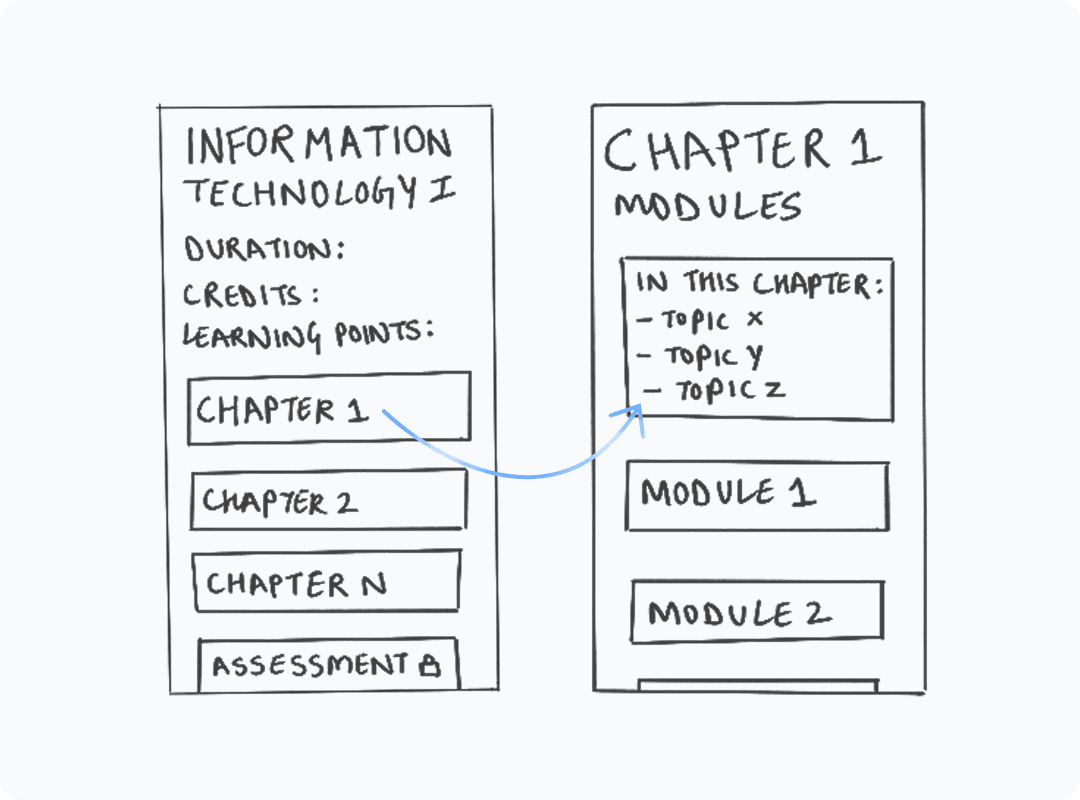
Streamlined micro-modules → learn in small steps
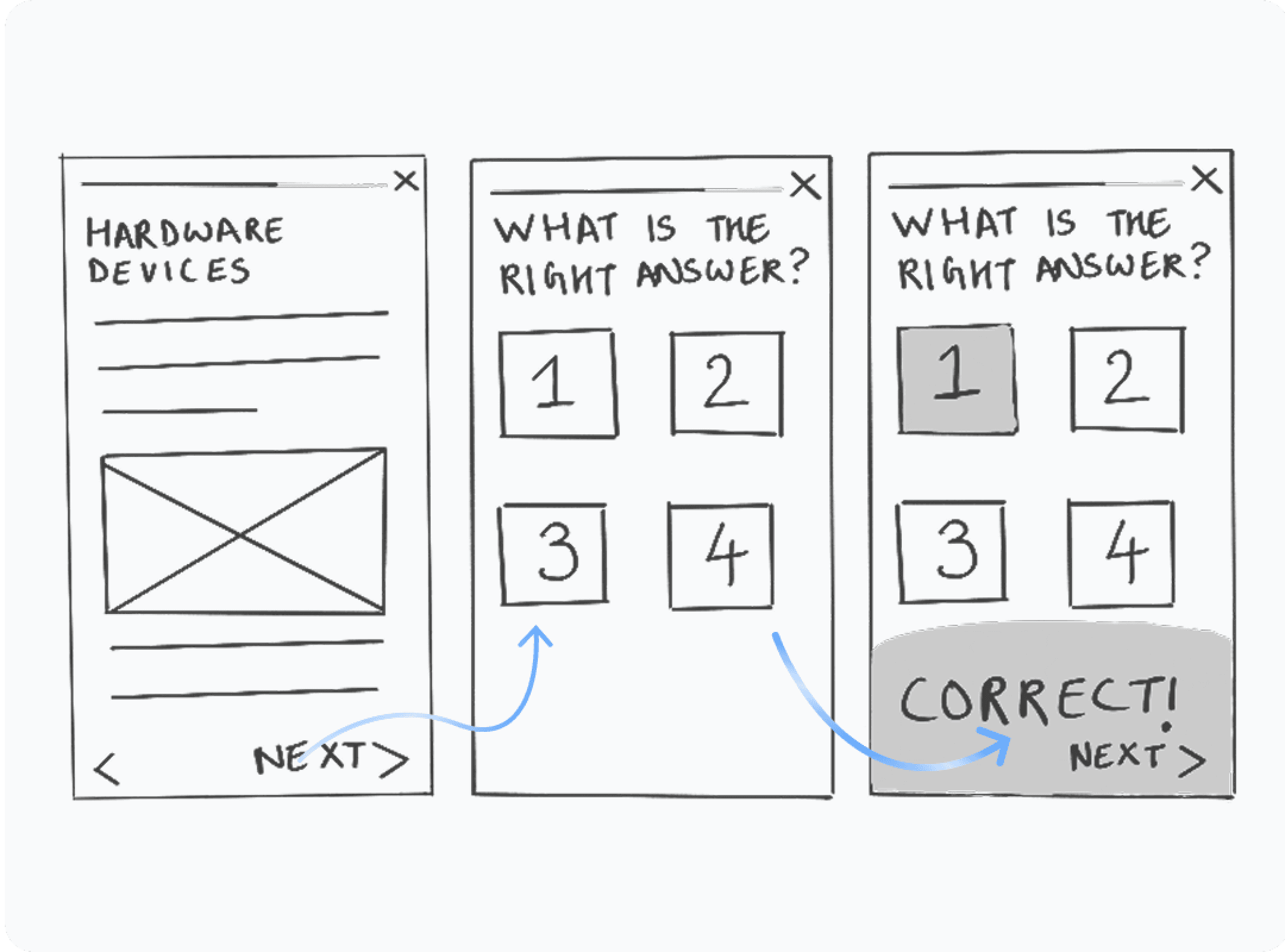
Interactive quizzes → reinforce retention
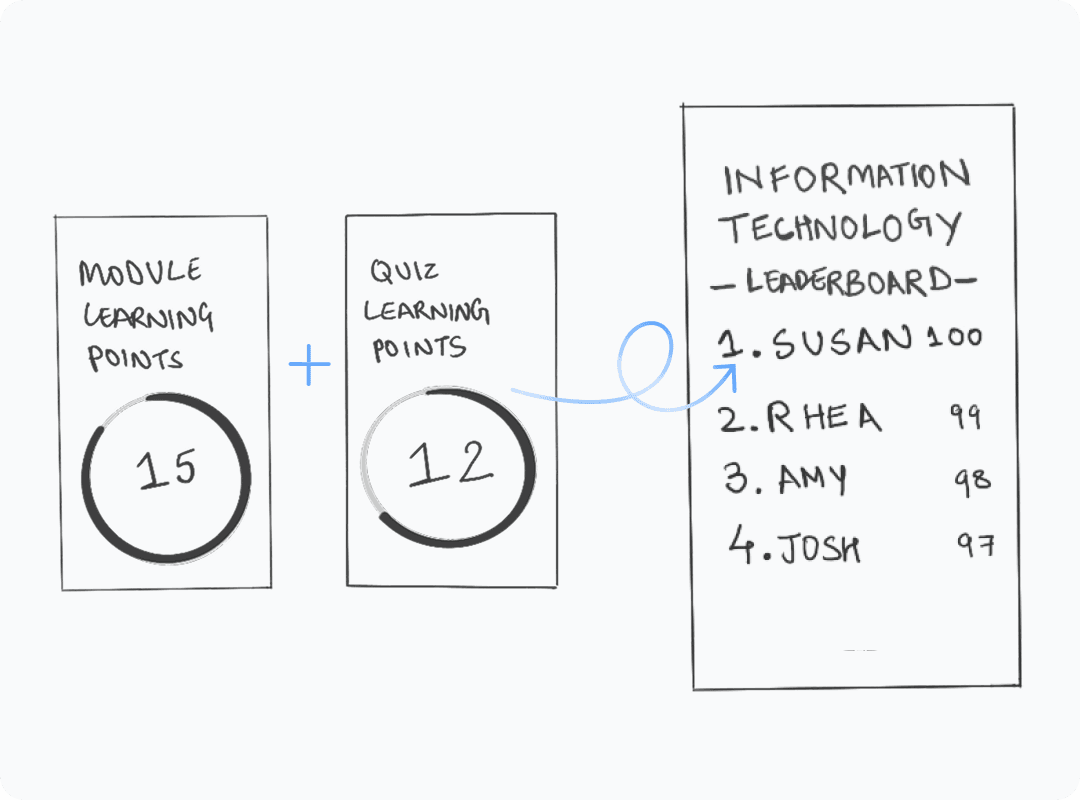
Gamification → points, leaderboards
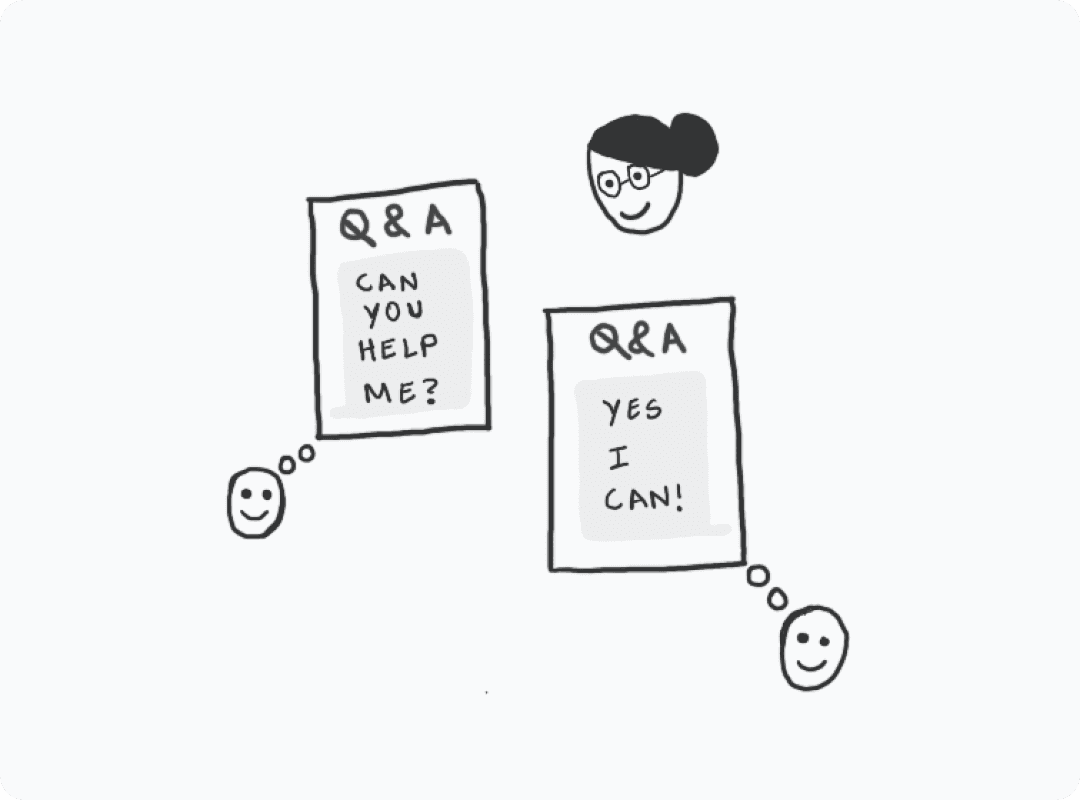
Teacher monitored peer-to-peer Q&A → accessible support
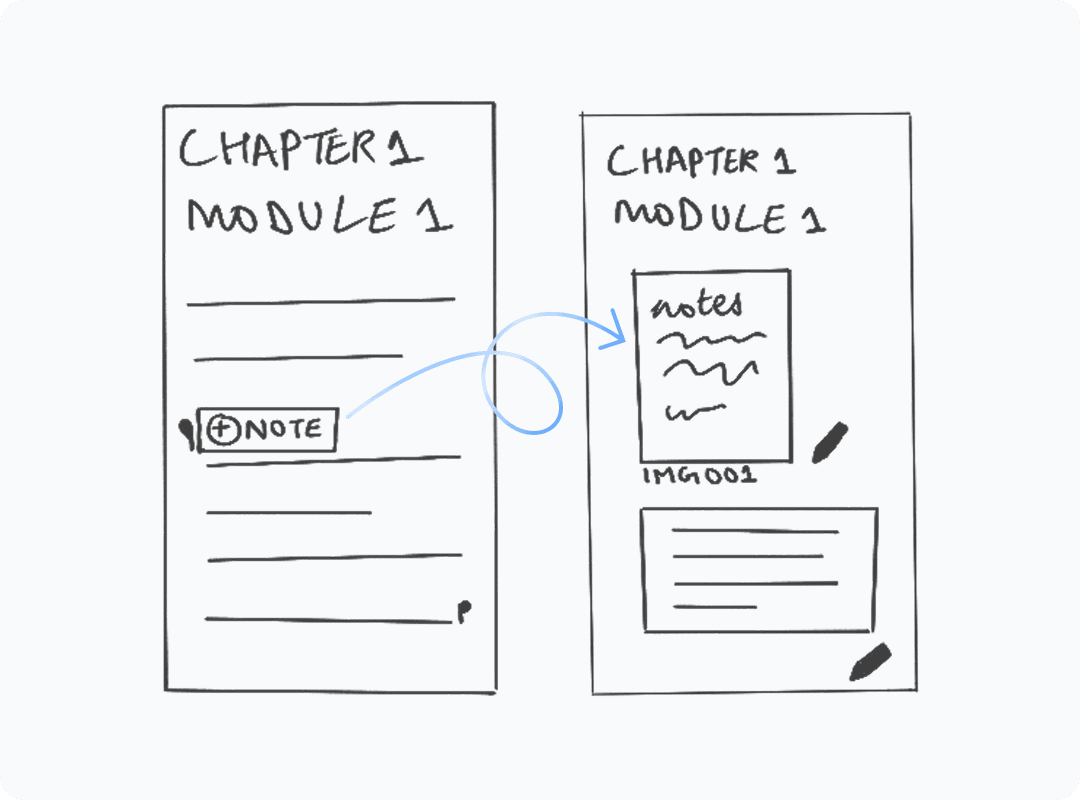
Notes → personalized revision
These concepts were combined into the final information architecture of the app.
Information Architecture
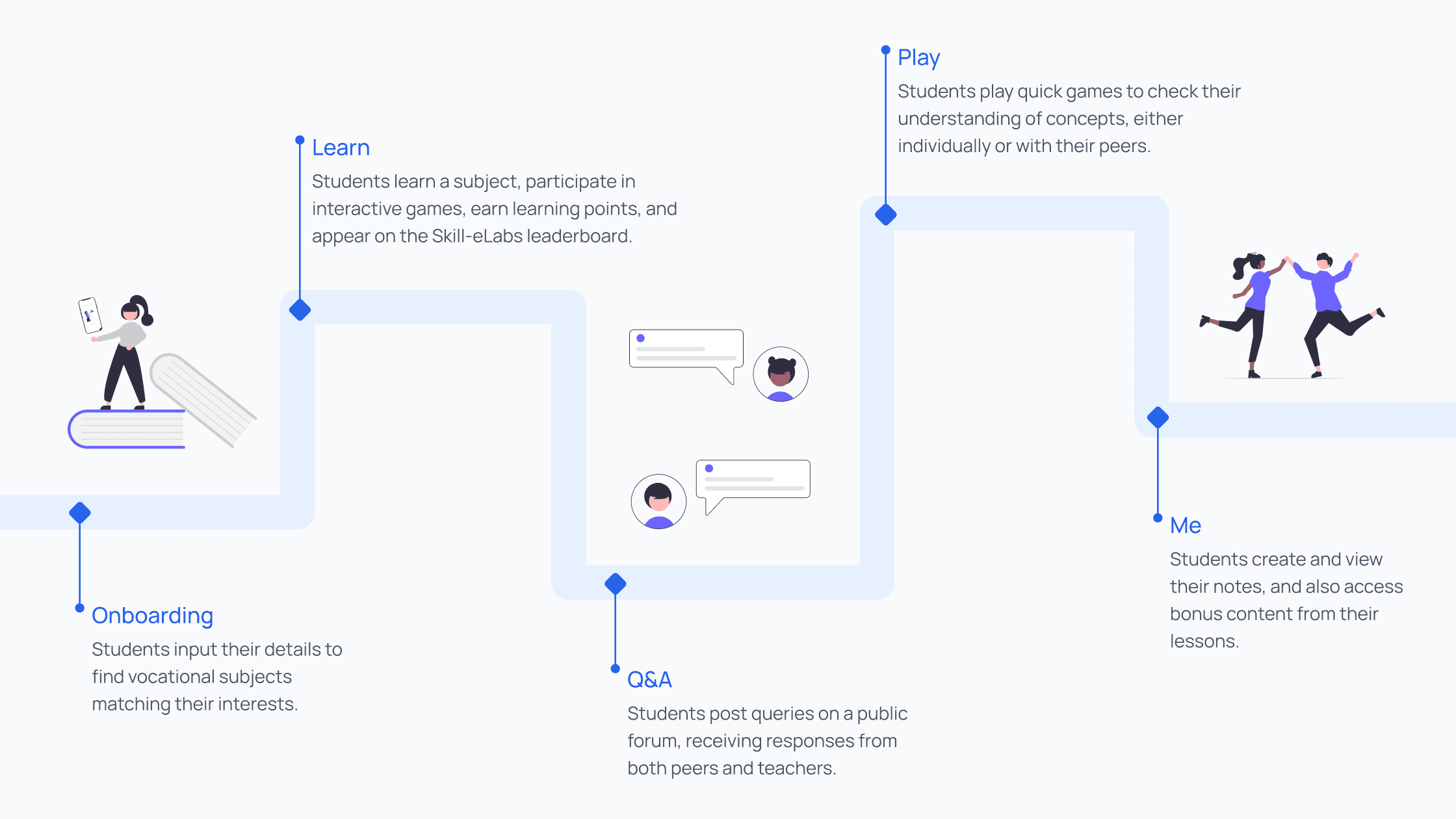
The information architecture organises learning, revision, practice, and peer interaction into a clear, gamified system.
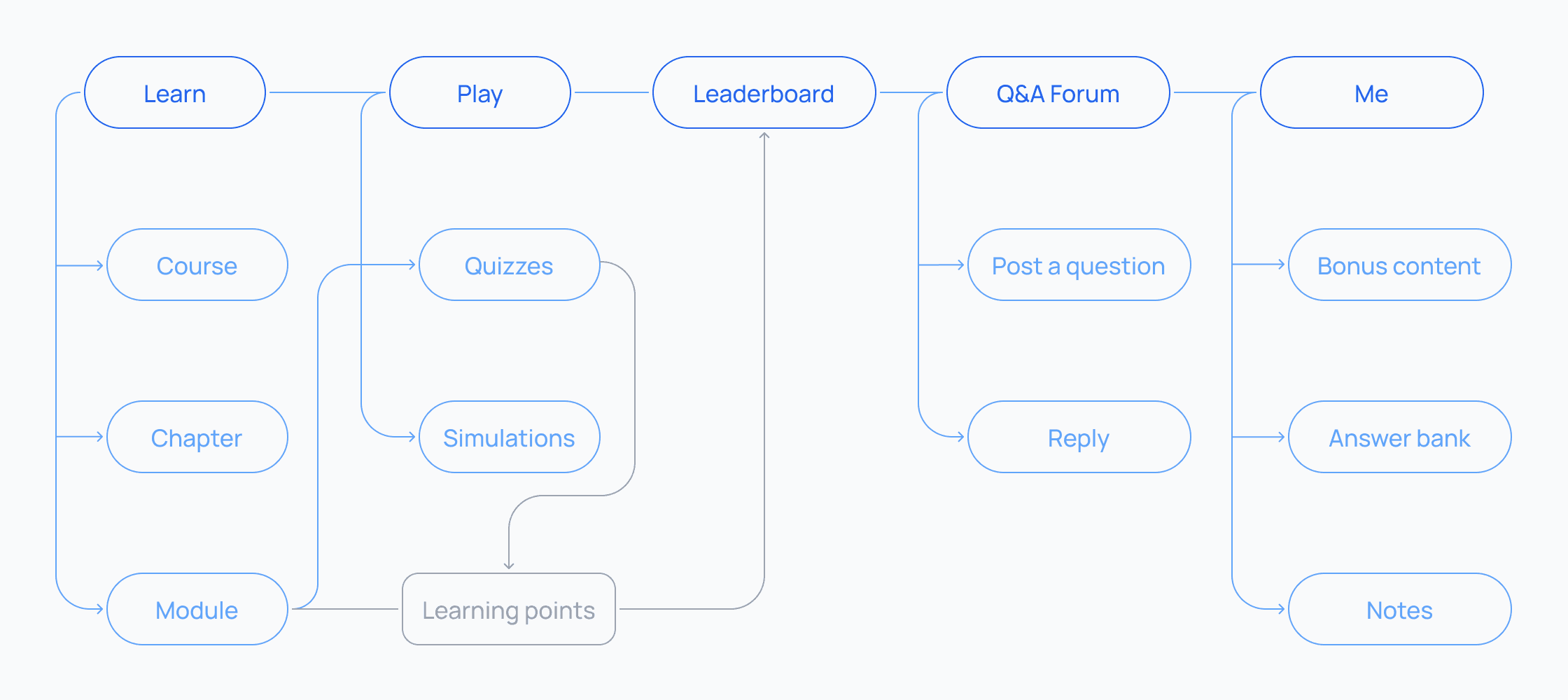
Visual Design
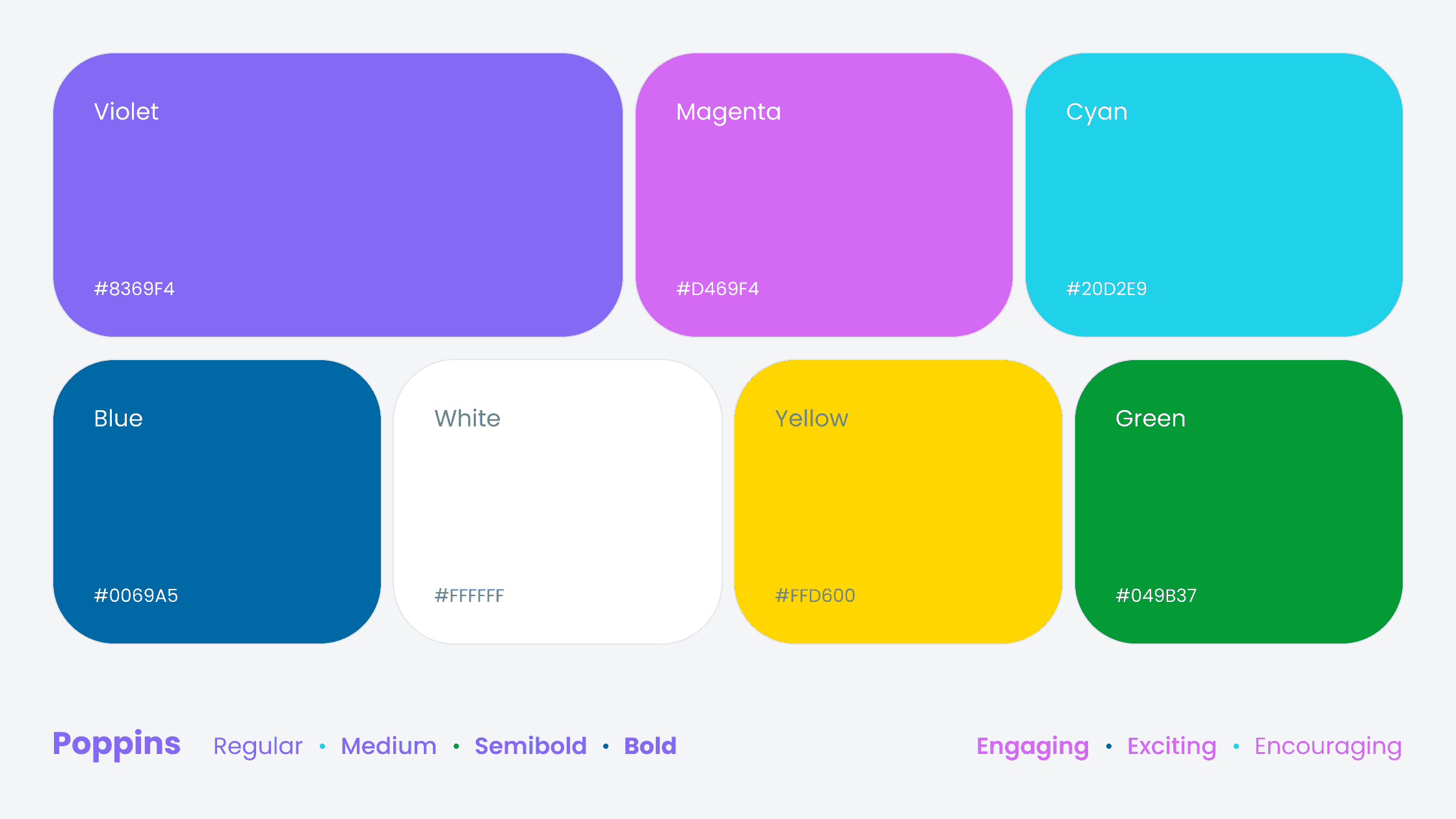
The colour palette and typography are youthful and expressive while maintaining legibility for the purpose of short bursts of gamified learning.
User Testing and Iteration
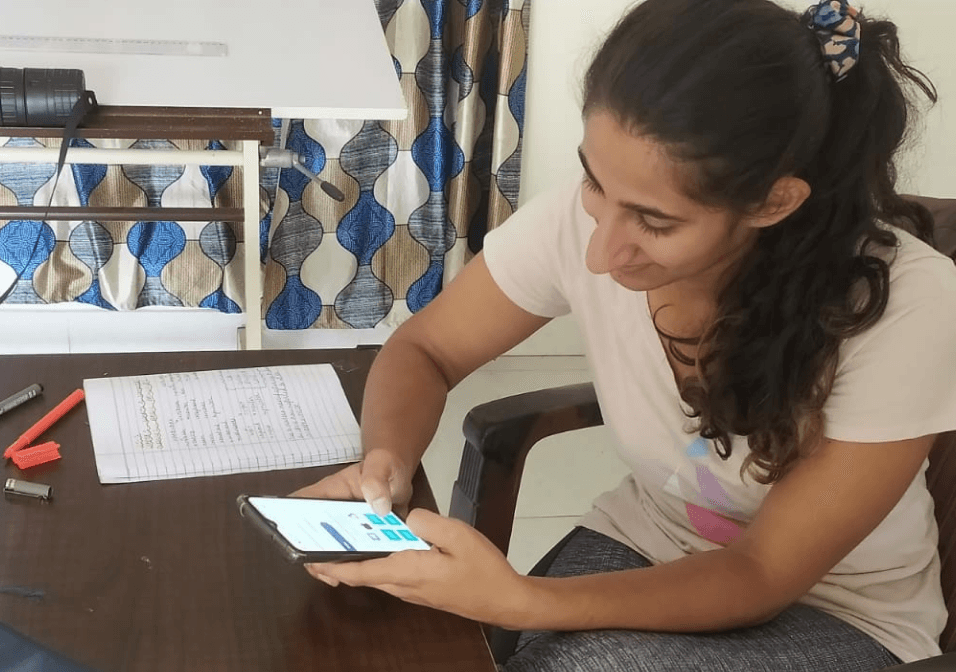
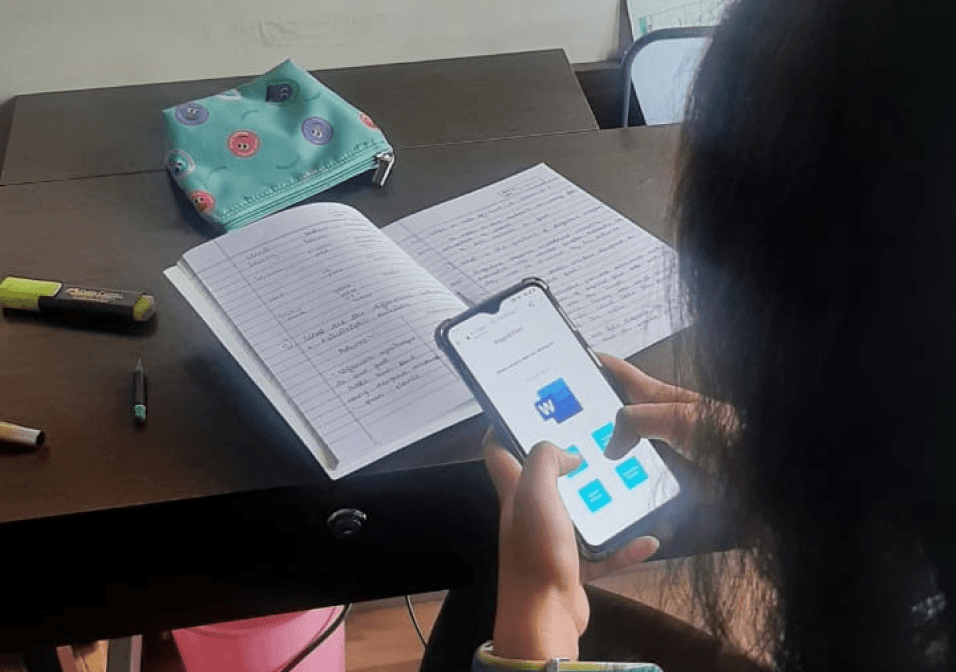
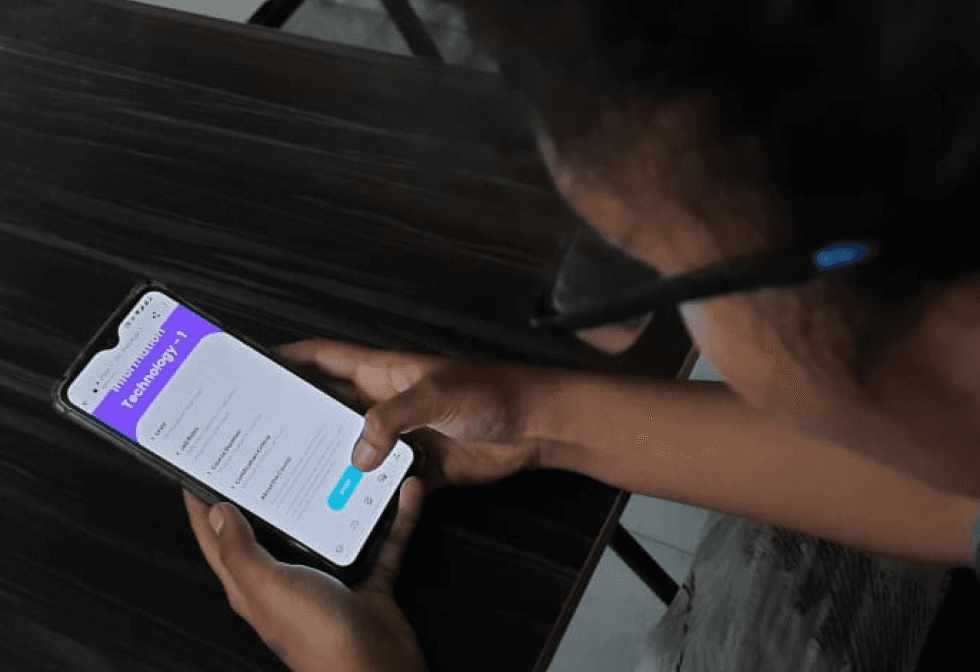
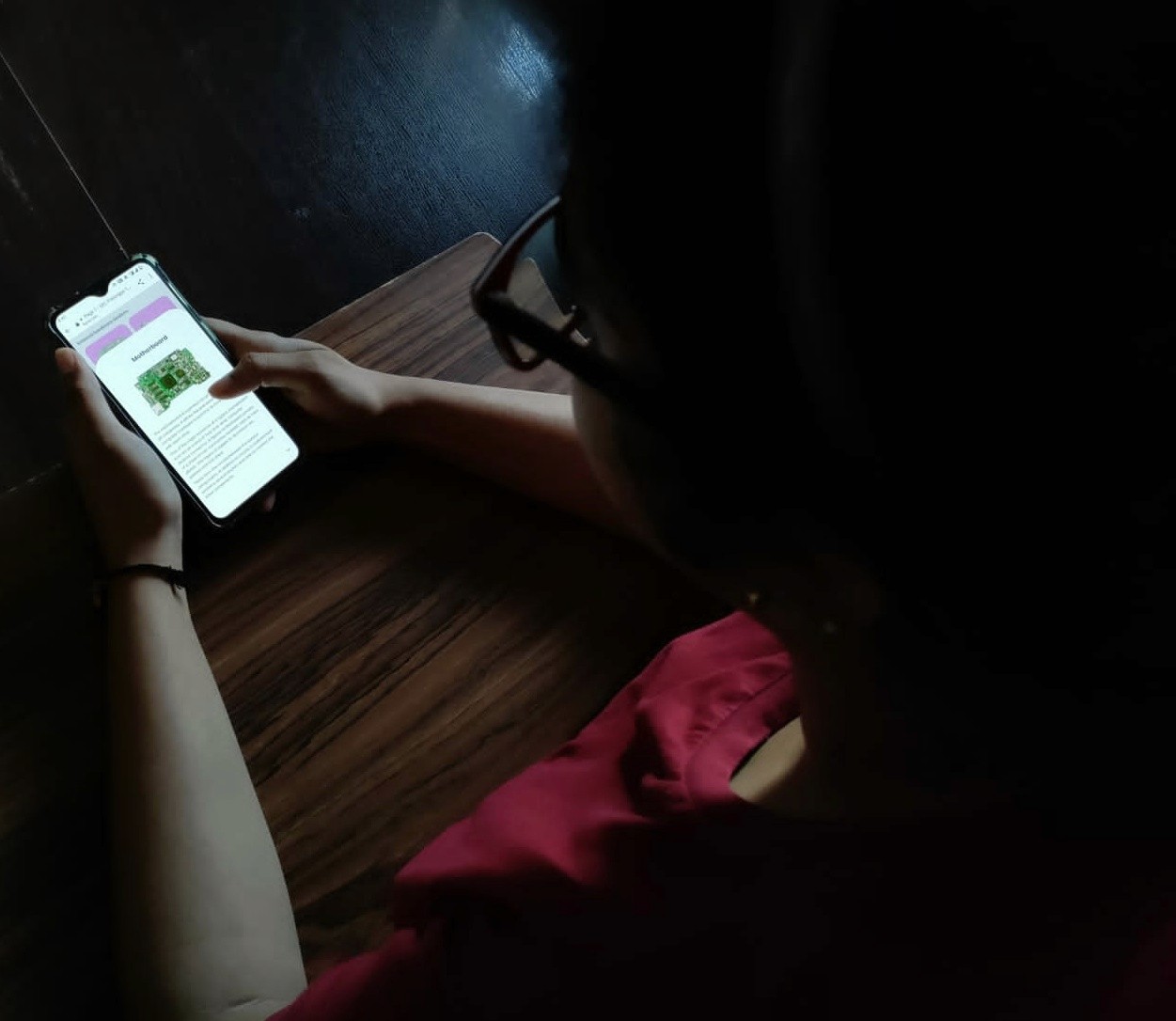
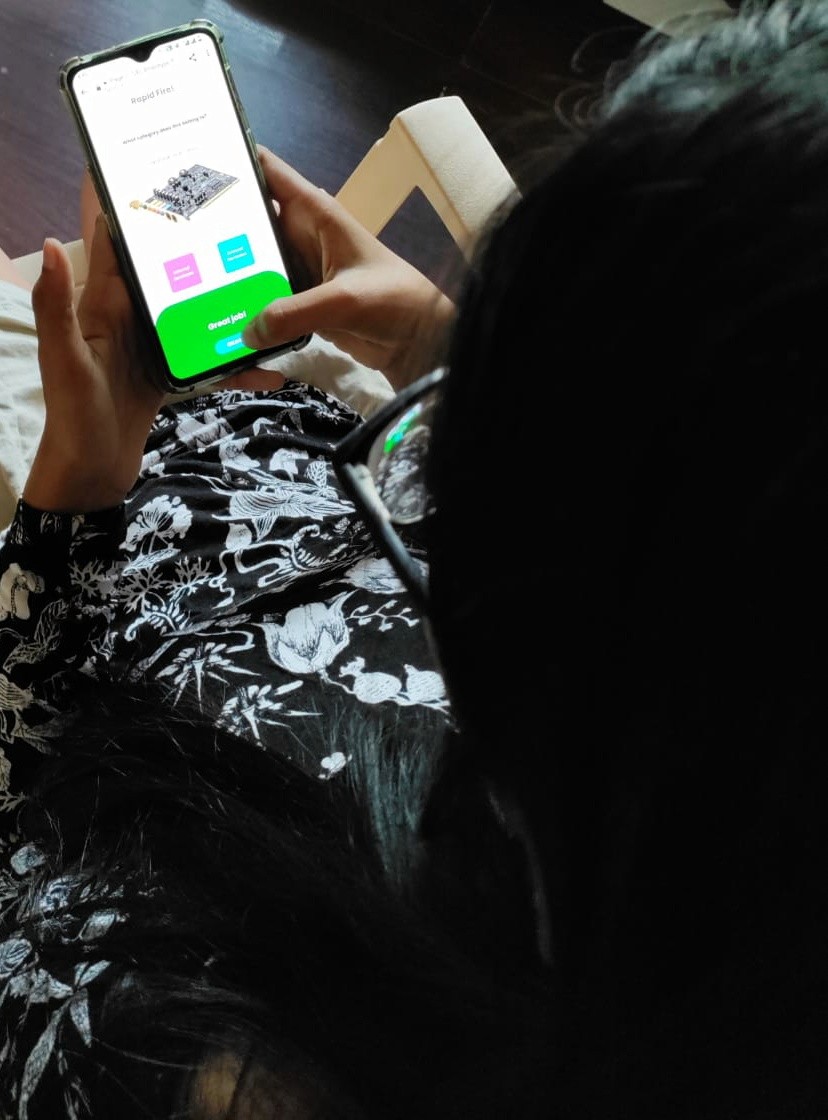
The initial Skill-eLabs prototype was tested with 5 CBSE students to validate usability and learning effectiveness. Their insights directly informed design improvements.
User Insight
“I don’t read the whole textbook during exams. I only revise highlighted sections and notes.”
Design Response
Enabled in-app highlighting in addition to note-taking for quick revision.

User Insight
“At the end of a module, it would be helpful to have a summary of the key points, like a cheat sheet.”
Design Response
Provided module summaries and answers to completed tests.

User Insight
“The memory-refreshing games are awesome! Can I test my knowledge by playing with my friends?"
Design Response
Introduced quizzes in both single-player and multiplayer formats.

Final Design
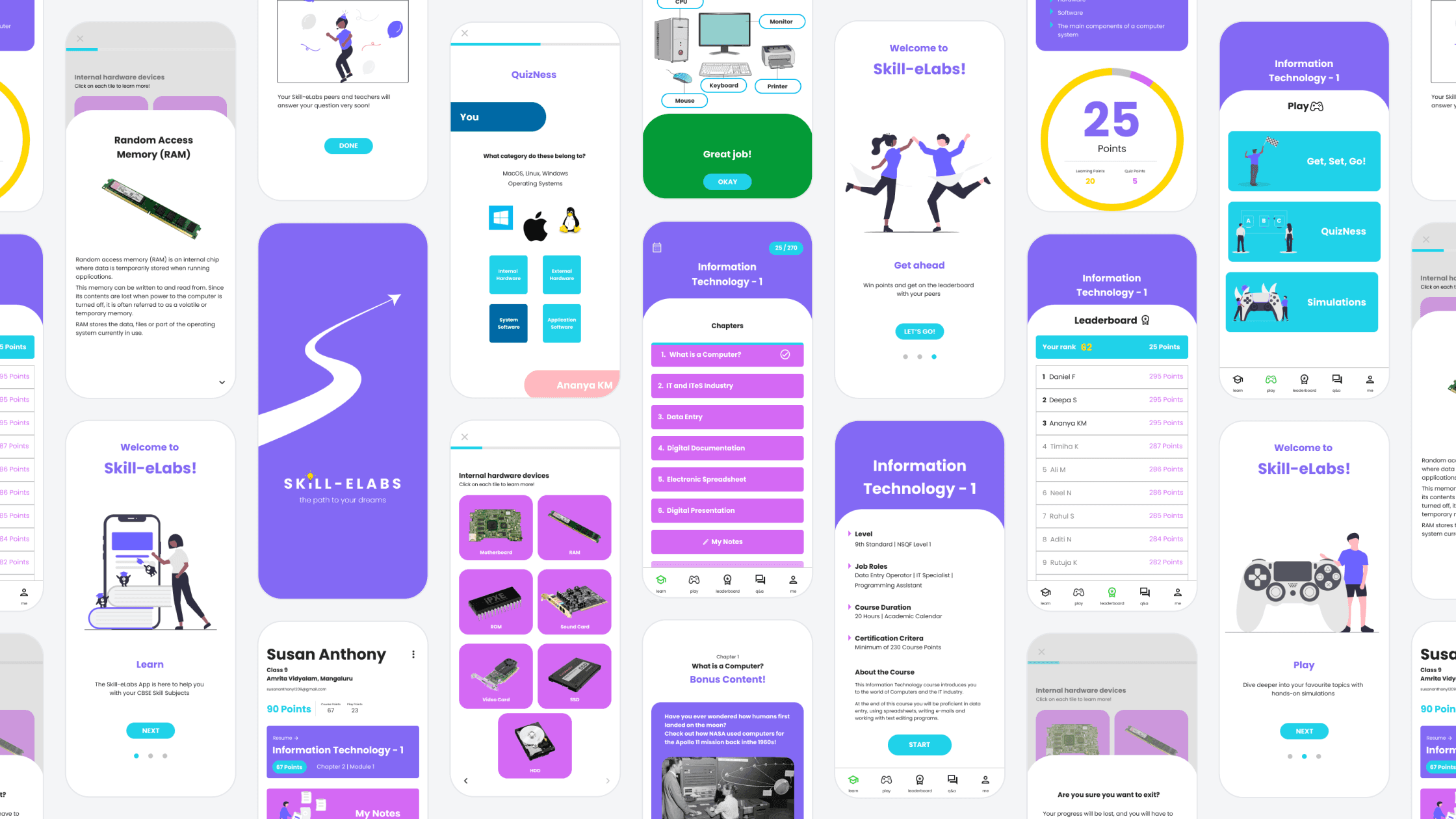
An engaging mobile experience that incorporates:
Reflections
Skill-eLabs was a formative project that strengthened my ability to design within real-world constraints. Conducting large-scale surveys, synthesising insights, and translating them into structured learning experiences helped me develop a deeper understanding of instructional design. The project allowed me to apply and refine my design research and UX skills, and reinforced the importance of human centered design processes in creating effective learning systems for students.